
Are Composite Doors Worth the Money? Everything You Need to Know
When you’re looking to improve your home, replacing the front door might not be the first thing that comes to mind. But a good front door can make a big difference. It can improve the look of your home, help keep it secure and make it easier to keep your home warm and comfortable.
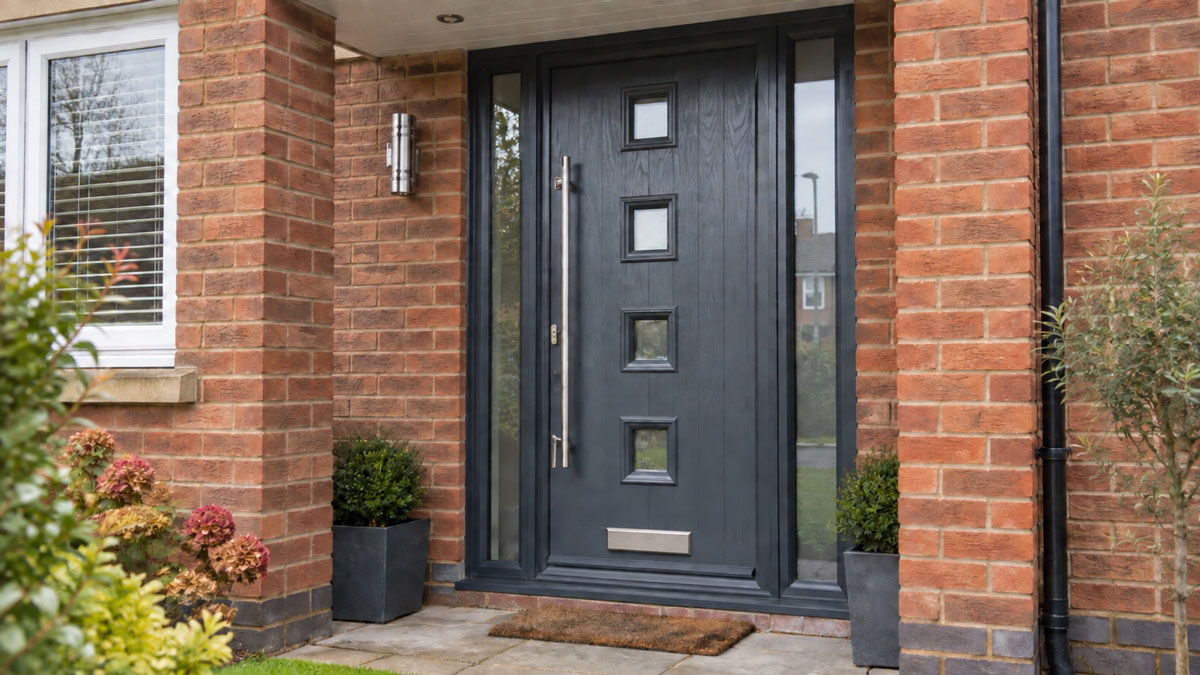
If you’ve been looking at different options, you’ve probably come across composite doors. They tend to cost more than standard uPVC doors, so it’s natural to wonder whether the extra money is really worth it.
The answer depends on what you’re looking for, your budget and how long you plan to stay in your home.
In this guide, we’ll look at what composite doors are made from, how they compare with uPVC doors, how long they can last and what you can expect in terms of maintenance. By the end, you should have a much better idea of whether a composite door is right for your home.
What Is a Composite Door and What Is It Made Of?
A composite door is made using several different materials, with each one designed to provide a particular benefit. Rather than relying on a single material, the different layers work together to create a door that is strong, well insulated and resistant to everyday weather conditions.
What is a composite door made of?
The exact construction can vary between manufacturers, but a typical composite door includes:
- A solid or insulated core: This is usually made from high-density polyurethane foam or timber and helps give the door its strength and insulation.
- A GRP skin: GRP stands for Glass-Reinforced Plastic. This forms the outer surface of the door and can be manufactured with a woodgrain effect for a more traditional appearance.
- A reinforced frame: The frame provides additional strength and helps keep the door securely in place.
Composite doors are also generally thicker than standard uPVC doors. Depending on the design and manufacturer, a composite door may be around 44mm to 48mm thick, compared with approximately 28mm for many uPVC door panels.
The result is a solid, substantial door that is designed to cope with the UK's changing weather conditions.
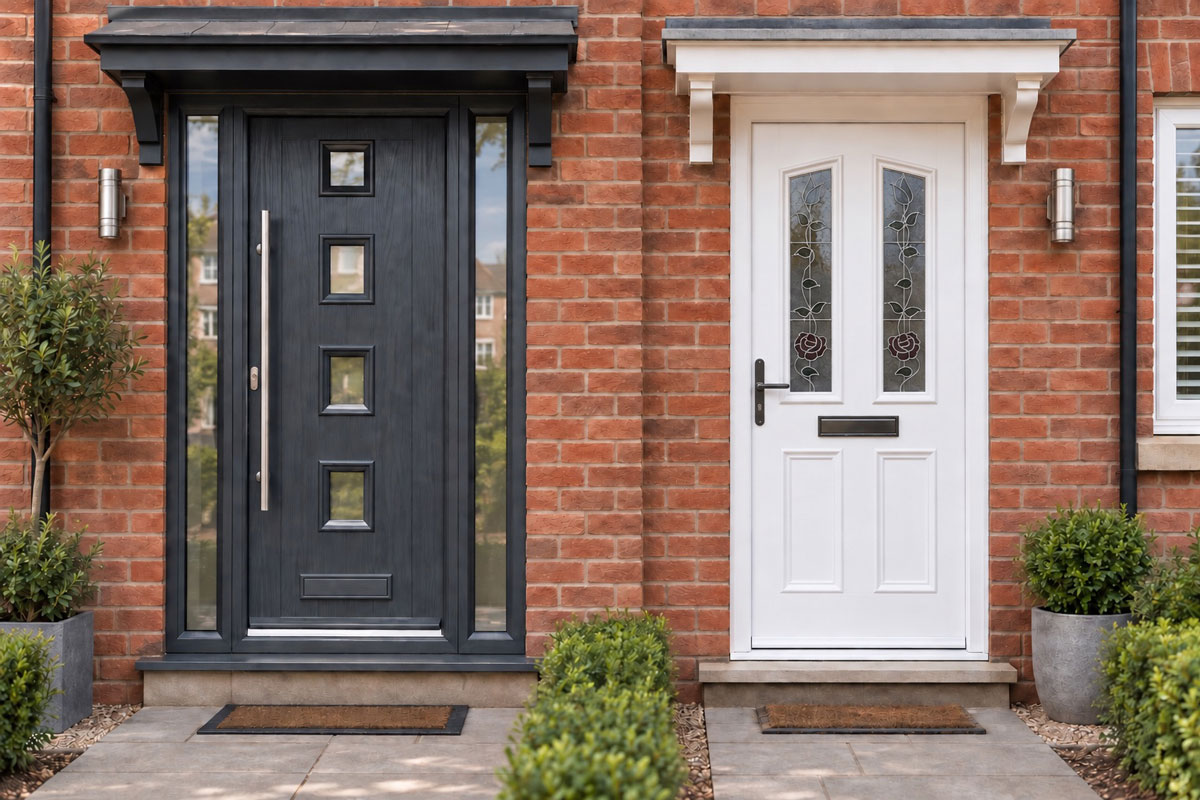
Which Is Better: Composite or uPVC Doors?
There isn’t necessarily one right choice for every home. uPVC doors can be a practical option if keeping the initial cost down is your main priority, while composite doors offer a different combination of strength, insulation and appearance.
You can take a look at the range of composite doors and uPVC doors available from Just Doors UK to compare your options.
Here’s a general comparison:
| Feature | uPVC Doors | Composite Doors |
|---|---|---|
| Initial Cost | Generally lower | Generally higher |
| Strength | Good | Stronger due to the solid, multi-layer construction |
| Thermal Performance | Good | Excellent |
| Lifespan | Around 20–25 years, depending on quality and maintenance | Around 30 years or more, depending on quality and maintenance |
| Appearance | Available in a range of colours and styles | Wide range of colours, styles and woodgrain finishes |
| Maintenance | Relatively low | Relatively low |
If your budget is tight, a uPVC door may make more sense. If you’re happy to spend more upfront and want a thicker, more substantial door with a premium finish, a composite door could be worth considering.
What Are the Benefits of Composite Doors?
So, what do you actually get for the extra money?
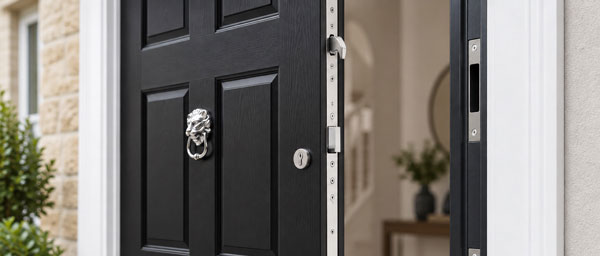
1. Good Security
One of the main reasons homeowners choose composite doors is their solid construction. The combination of a substantial door panel, reinforced frame and modern multi-point locking system can provide a strong level of security.
Of course, the overall security of a door also depends on the lock, frame, installation and other components used.
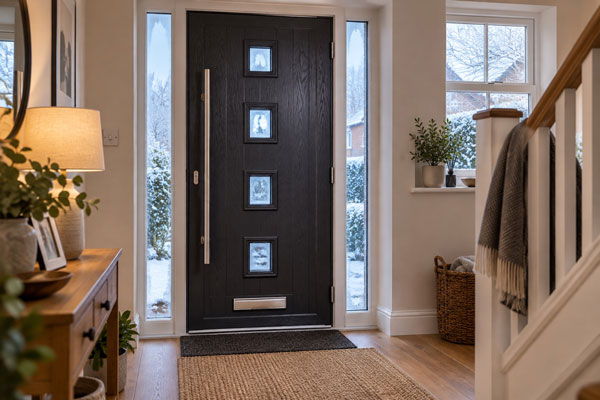
2. Good Thermal Insulation
Nobody wants to feel a cold draught coming through their front door during winter.
The insulated core used in many composite doors helps reduce heat transfer through the door. This can make it easier to keep your home comfortable and may help reduce heat loss compared with a poorly insulated or older door.
The actual energy performance will depend on the particular door and its installation, so it’s worth checking the specifications of the model you’re considering.
3. Low Maintenance
One of the biggest advantages of composite doors is that they don’t require the same level of maintenance as traditional timber doors.
A quality composite door won’t rot like timber, and it is designed to resist common problems such as swelling and warping. In most cases, regular cleaning and occasional checks of the hardware are all that’s needed.
4. Noise Reduction
The dense construction of a composite door can also help reduce outside noise.
This can be particularly useful if your home is close to a busy road, school or other source of everyday noise. However, the level of noise reduction will depend on the complete door system, including the frame and glazing.
5. Plenty of Styles to Choose From
There’s no reason a practical front door has to look boring.
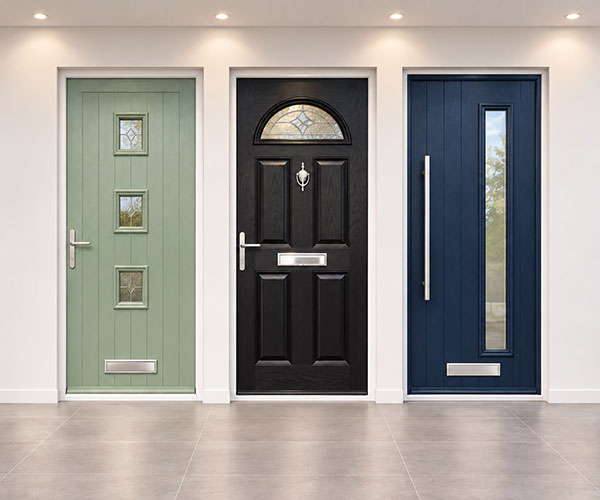
Composite doors are available in a wide range of colours, styles and finishes. Many feature a woodgrain effect, giving you the traditional appearance of timber without the same maintenance requirements.
If you’re looking for a new entrance door, you can browse the range of composite front doors available from Just Doors UK.
How Long Does a Composite Door Last?
A good-quality composite door can last 30 years or more when properly manufactured, installed and maintained.
How long your door actually lasts will depend on several factors, including the quality of the door, the components used, how well it is installed and how it is looked after.
uPVC doors can also provide many years of service, although components such as seals, locks and hinges may eventually need attention.
The important thing is not to look at lifespan in isolation. When comparing doors, consider the initial price, expected lifespan, energy performance, maintenance and replacement costs as a whole.
Do Composite Doors Fade in the Sun?
Modern composite doors are designed to cope with exposure to sunlight and changing weather conditions. Many use colour-stable GRP skins that are designed to resist fading.
However, the exact performance can vary between manufacturers and finishes. If your door is going to receive a lot of direct sunlight, check the manufacturer's specifications before making your choice.
Keeping the door clean is straightforward. In most cases, warm soapy water and a soft cloth are enough for regular cleaning.
Can You Paint a Composite Door?
Technically, some composite doors can be painted, but it isn't usually something you should do without checking the manufacturer's guidance first.
Composite doors are supplied with a factory-applied finish, and painting over this can affect the appearance and potentially the manufacturer's warranty.
If you already know what colour you want, it’s generally easier to choose it when ordering your door. Composite doors are available in a wide range of colours, including popular shades such as Anthracite Grey, Chartwell Green, Black and Navy.
So, Are Composite Doors Worth the Money?
For many homeowners, a composite door can be worth the extra investment, particularly if you’re looking for a combination of durability, insulation, security and low maintenance.
However, that doesn't mean a composite door is automatically the right choice for everyone.
If keeping your upfront costs as low as possible is important, a uPVC door may be a more suitable option. If you're happy to invest more initially for a thicker, more substantial door and a wider choice of premium finishes, a composite door may make more sense.
It’s also worth considering how long you expect to stay in the property. If you’re planning to live in your home for many years, the longer expected lifespan and low maintenance of a quality composite door may make the higher initial cost easier to justify.
If you're still comparing your options, take a look at the range of uPVC front doors alongside the available composite door styles.
Find Your New Composite Door at Just Doors UK
Thinking about replacing your front door? At Just Doors UK, you can explore a range of composite doors in different styles, colours and finishes.
Take a look at the options available, compare different designs and find a door that suits your home, your budget and what you need from your new entrance door.
For further information on our double glazing and lead times please contact out friendly sales and customer service team.